Production Hair: Built to Hold, Frame After Frame
Hair is what breaks first on a shoot. Makeup mostly stays where you put it. Hair moves every time someone turns their head, changes a shirt, walks outside, or stands under an air conditioning vent for forty minutes.
Production hair is the craft of building a look that survives all of that and still matches the shot from two hours ago.
Hair for a camera is not hair for a night out
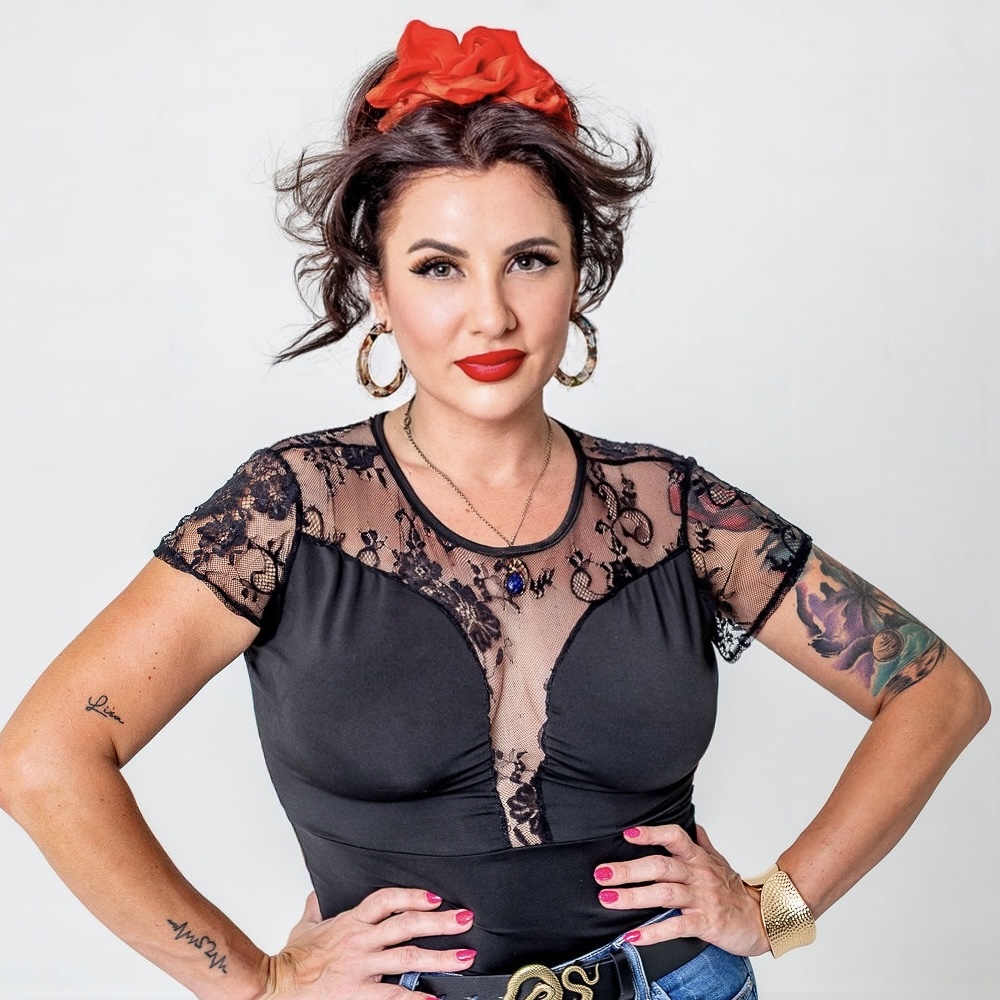
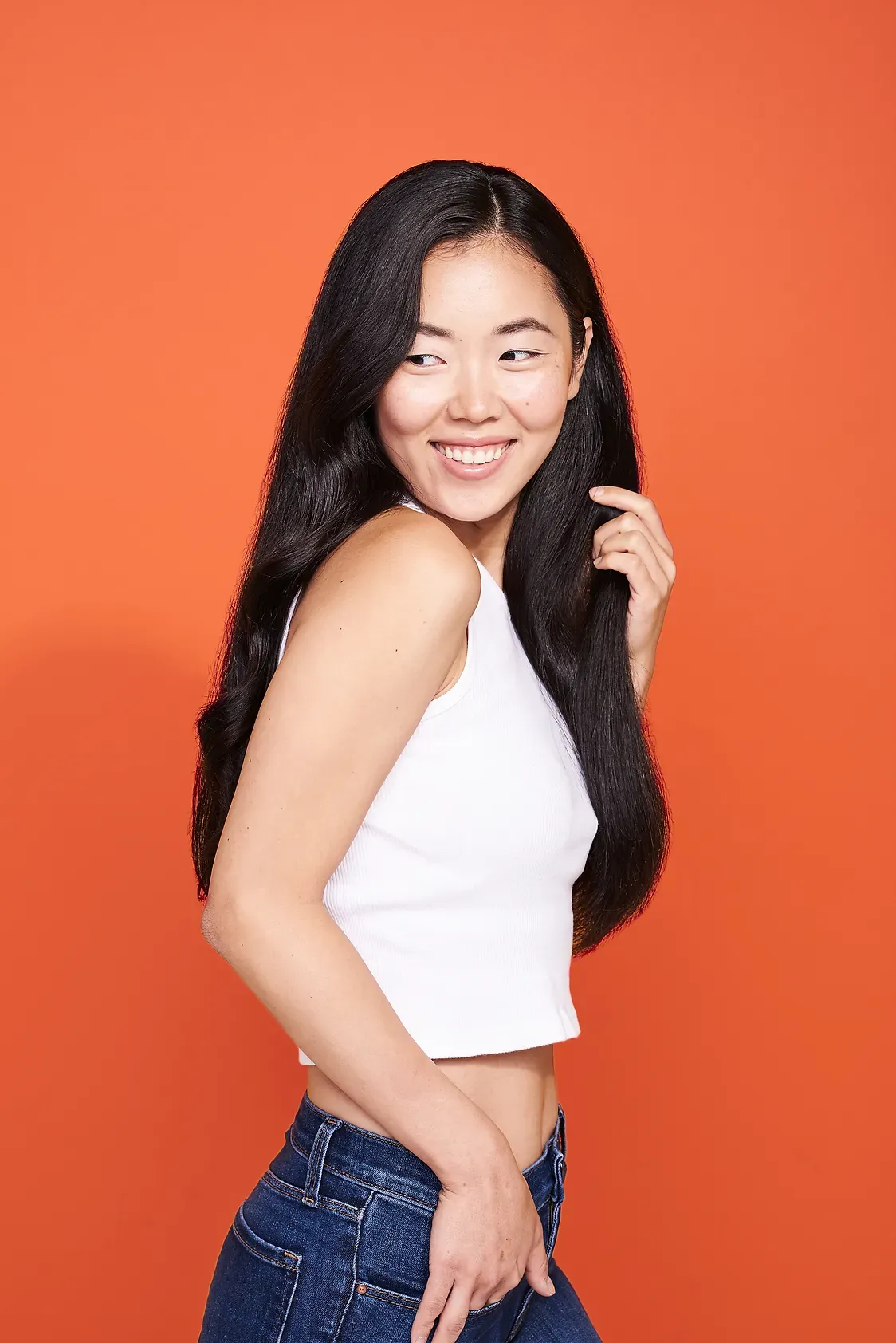
A style that looks beautiful in a mirror can read as flat, frizzy or lopsided through a lens. On set we build for the frame: volume where the light hits, a clean silhouette, and an edge that does not glow under a backlight. Then we build it to survive movement.
Continuity: the same head, all day
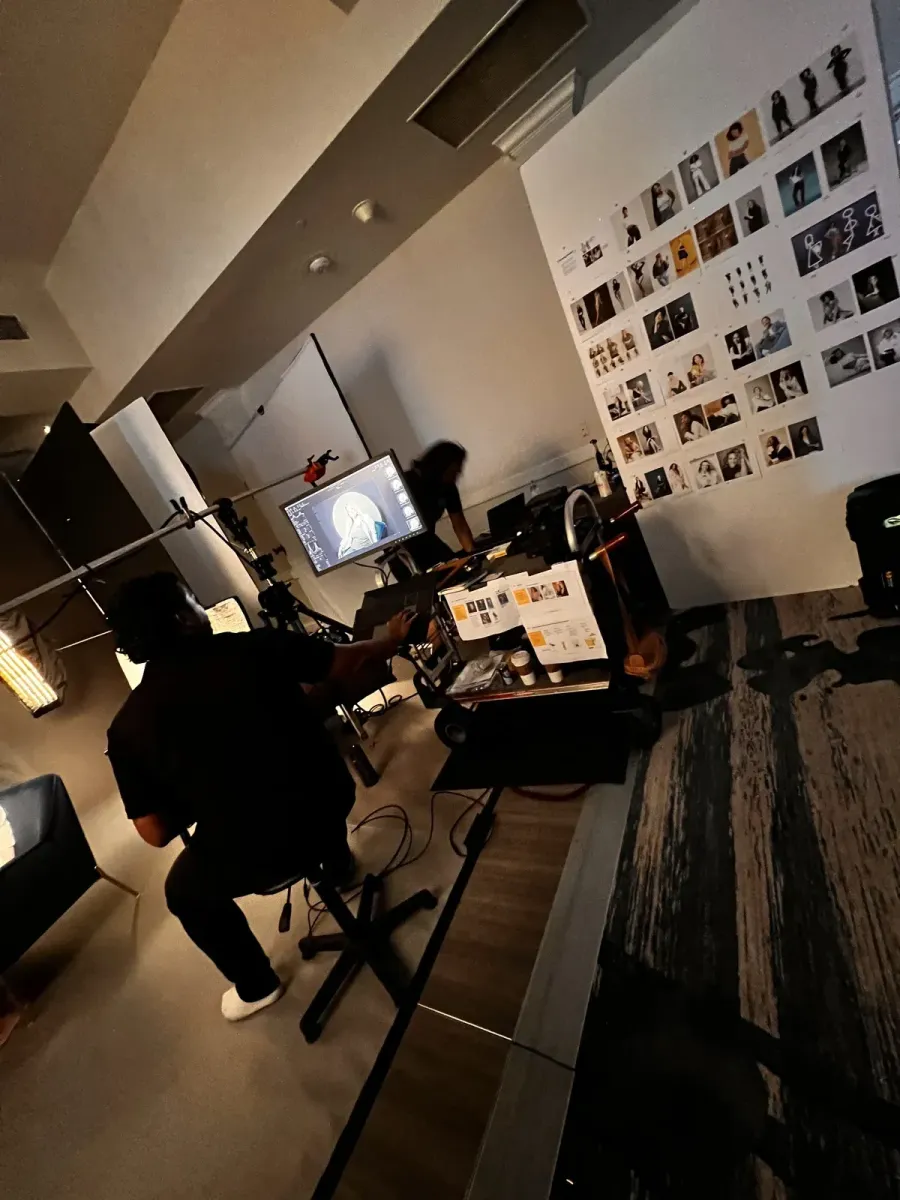
The same rules as makeup apply, and hair is harder. A part that drifts half an inch, a piece tucked behind the ear in one take and not the next, a wave that dropped after lunch: all of it shows in the edit. Reference photos, notes and a stylist watching the monitor are what keep it together.
Wardrobe changes are hair events
Every shirt that goes over a head is a threat to the style. We plan for it: looks that come off and go back on cleanly, a robe and a scarf for changes, and a stylist standing by for the reset. This is one of the places where wardrobe overlaps with hair, and where a team that handles both saves a producer real time.
Weather, AC and the other invisible enemies
Florida humidity swells hair and drops curls. A cold set dries it out and builds static. Wind on an exterior is either a gift or a disaster depending on the build. A stylist who works in both Tampa Bay and Chicago plans for the conditions rather than reacting to them.
What to ask when you hire
- Have you done continuity across multiple shoot days?
- What is your plan for wardrobe changes and mic runs?
- Can you work textured and curly hair properly, and men's hair?
- Do you do hair and makeup, or hair only? Dual artists change your crew maths.
- What do you need from us: power, a station, a room out of the wind?
See the work: productions. For the on-camera face that goes with it, read production makeup.
Crew hair, makeup and grooming for your shoot →
Questions producers ask
What does a production hair stylist do?
Builds hair for the frame, keeps it matching from setup to setup, resets it through wardrobe changes and weather, and documents every look so it can be rebuilt on the next shoot day.
Do I need a separate hair stylist and makeup artist?
Not always. Most of our artists do both, which is why a small crew can cover a shoot that would otherwise need two people. Volume days and complex hair are where you split them.
How far in advance should hair be set before shooting?
Allow the set to cool completely before it is brushed out. Rushing that step is the single most common reason a style drops by mid-morning.
Can you work with textured and curly hair on set?
Yes, and it should be a standard question you ask any crew. Our artists are briefed and vetted for it, and the kit is built for it.
City Lights Beauty Agency has staffed hair, makeup and grooming on location since 2006 for productions, brands and private clients across Tampa Bay, Chicago and Los Angeles. Florida Talent Agency License TA1765.