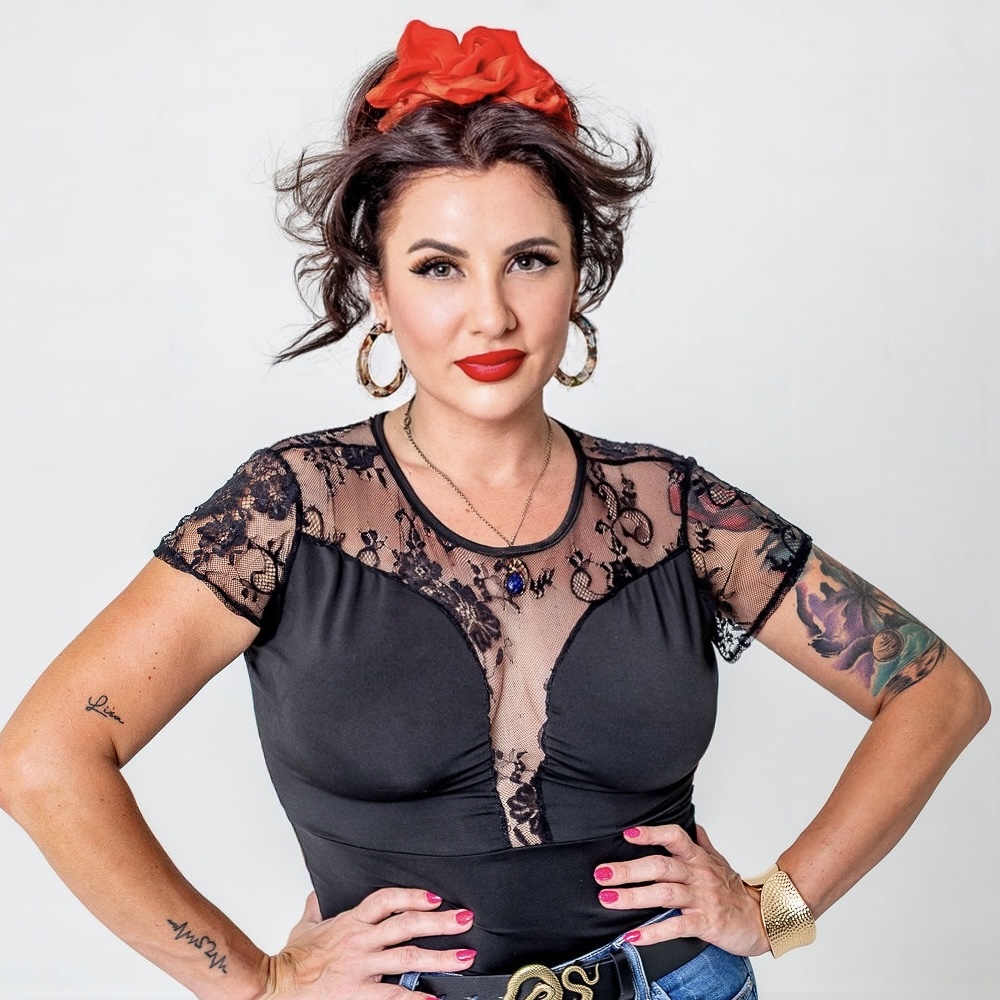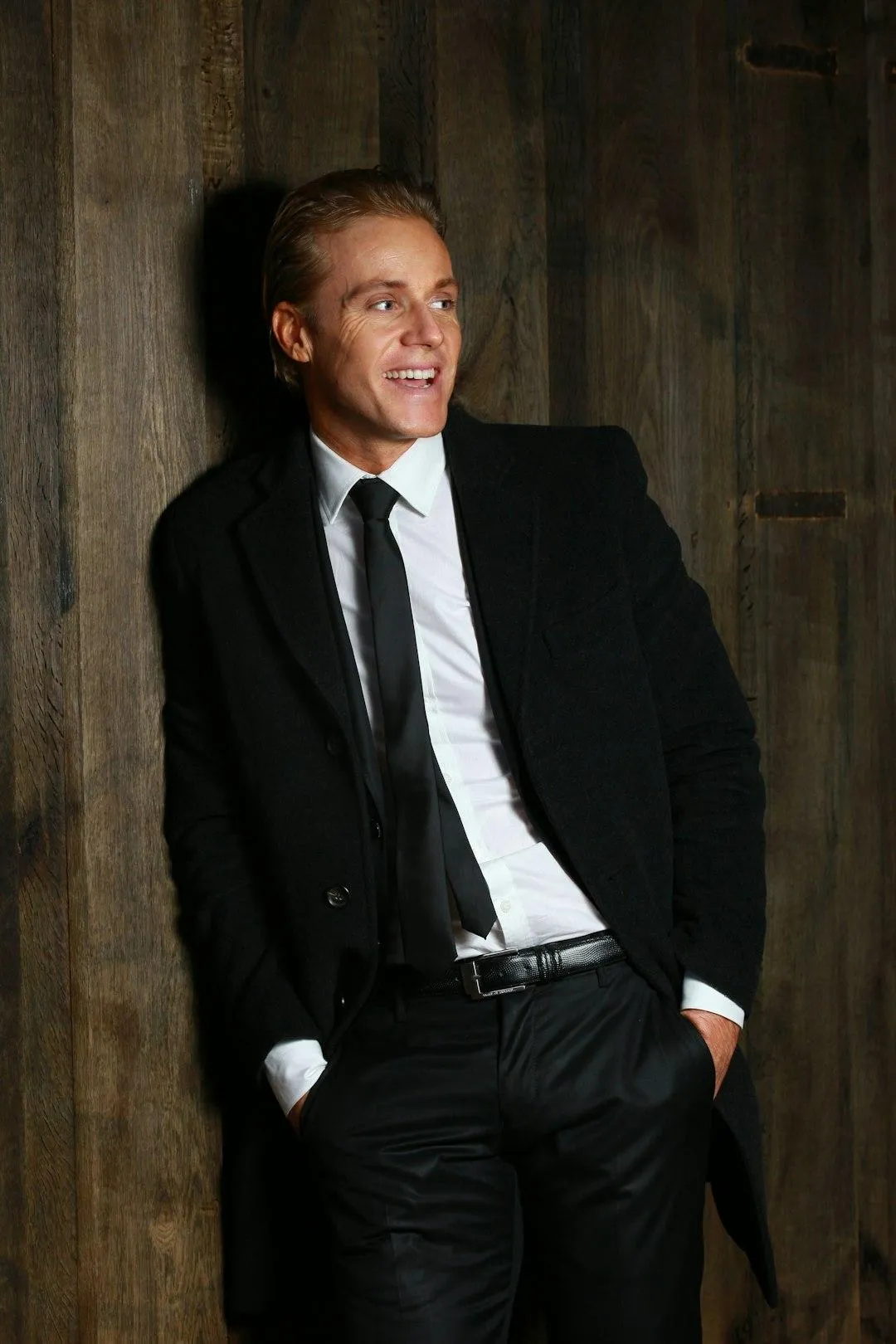
Bridal vs Production Makeup: Two Completely Different Galaxies
People assume a great bridal artist can walk onto a set, and that a set artist can do a wedding in their sleep. Both assumptions cost somebody a bad day. The two jobs share a kit and almost nothing else.
We do both, which is exactly why we can say how far apart they are.
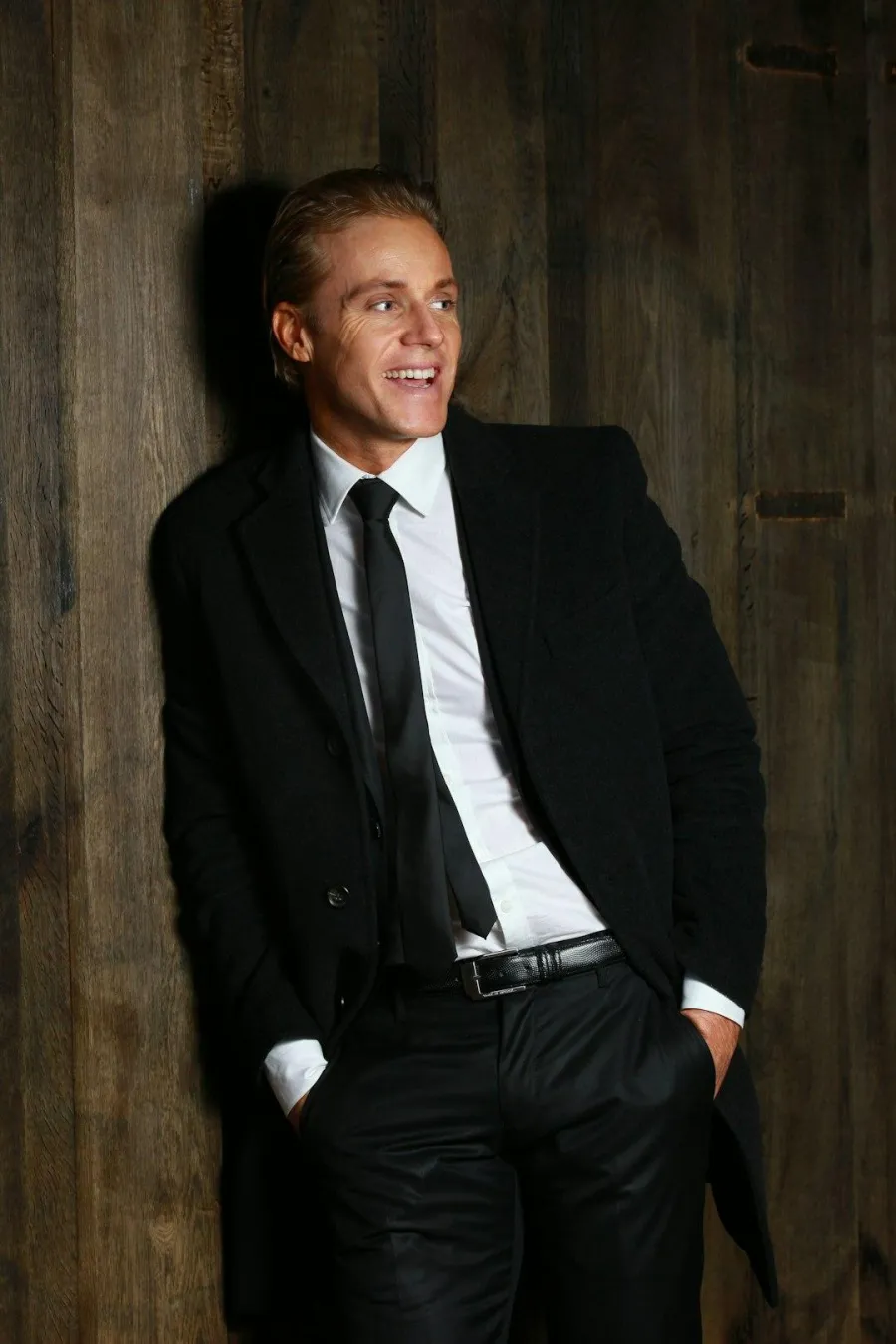 | 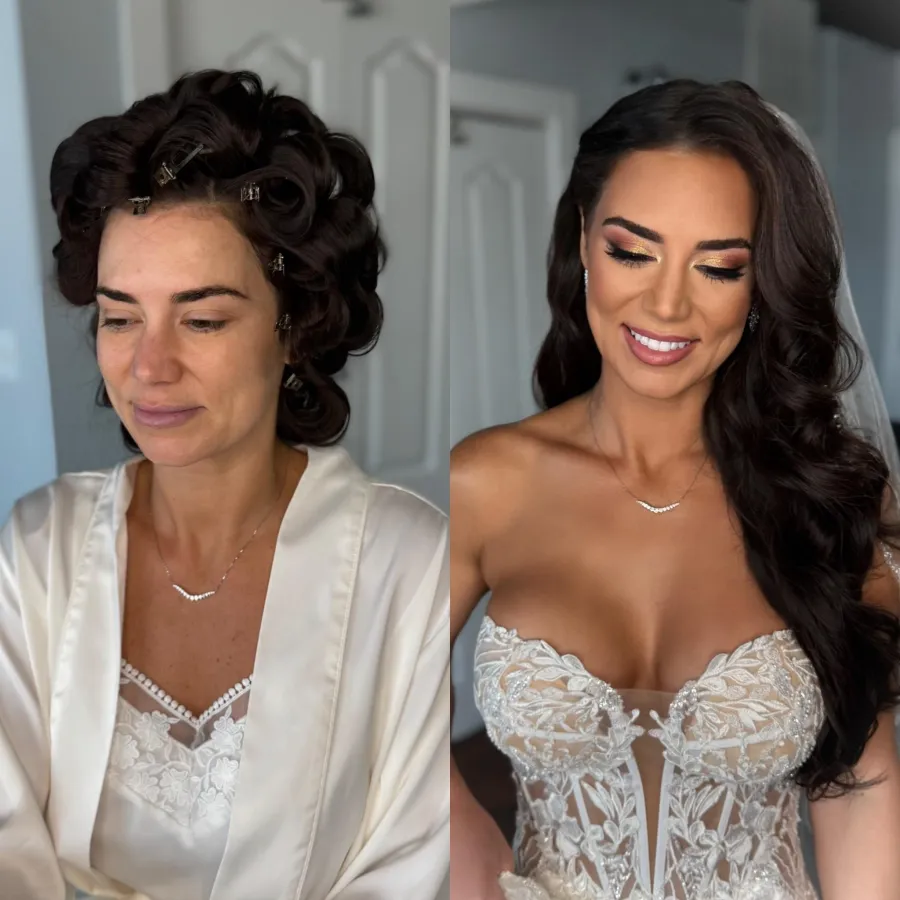 |
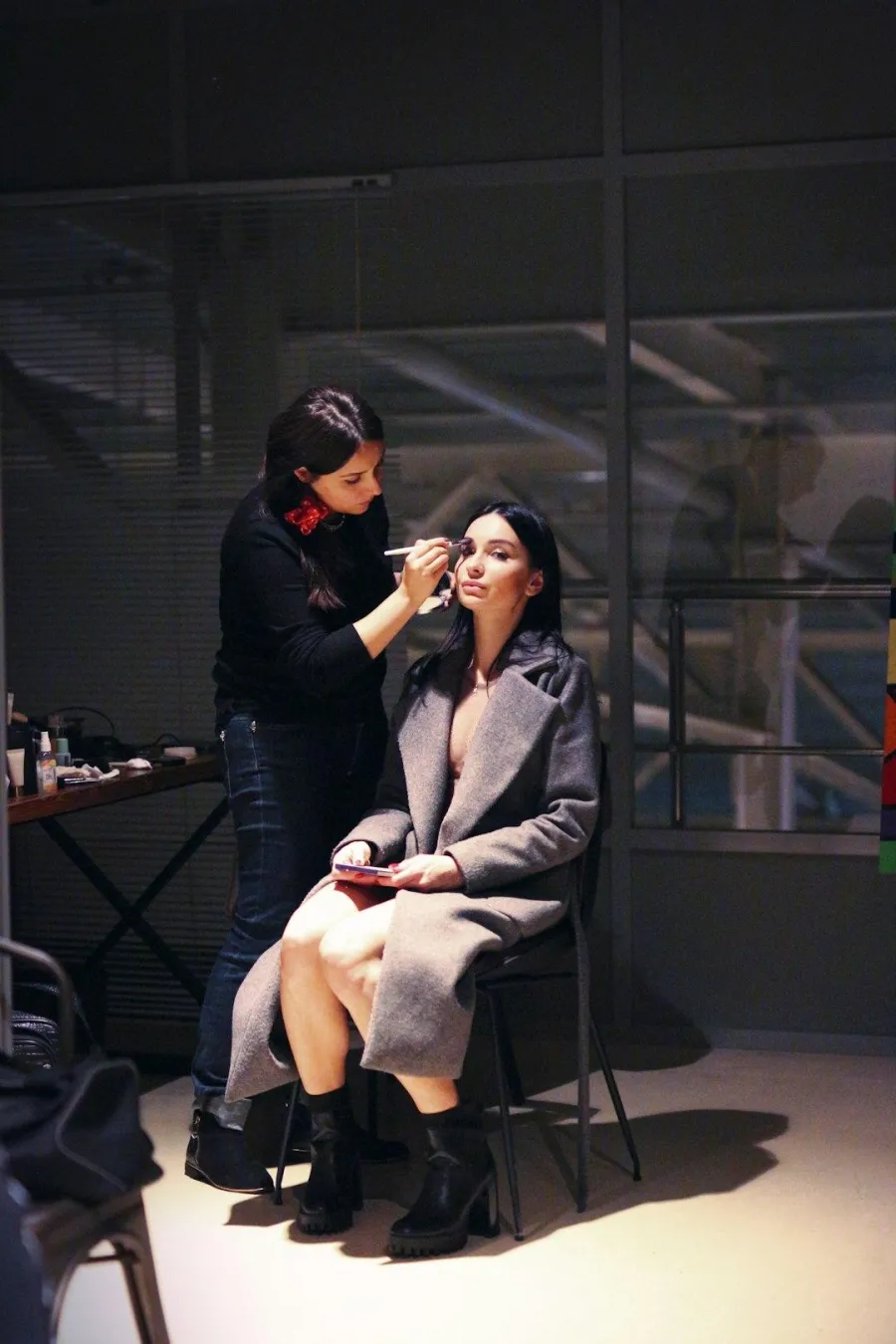
Same kit, opposite jobs: a corporate content day, and a wedding morning.
1. Who the makeup is for
On a production, the client is the lens. The face has to survive lighting, resolution and the edit, and nobody in the room needs to love it in a mirror. At a wedding, the client is a person who will look at herself all day and be hugged by two hundred others. One is judged on a monitor. The other is judged in the mirror, in photographs, and in ten years.
2. Continuity versus the one look
Production work lives on repeatability: reference photos, notes, matching yourself across setups and shoot days. A wedding has one look, but it has to survive tears, heat, hugging, a veil going on and off, and a dance floor. Different problems, opposite skills.
3. The emotional job is completely different
On set, the artist is crew: quiet, quick, invisible, in and out between takes. On a wedding morning, the artist is in the room when the mother of the bride cries, when the dress does not zip, and when the timeline slips. Running that room calmly is a skill that has nothing to do with makeup.
4. What the product logic looks like
Both jobs need makeup that lasts, and both get sold the same myth about it. Nothing on a face is waterproof in a useful sense, on a wedding day or under studio lights. Longevity comes from prep, thin layers and the right formula for the skin and the conditions. We wrote about that in why waterproof airbrush is a red flag and compared the formulas in silicone vs water-based airbrush.
5. What to look for when you hire
What the two jobs share
One standard. The prep is the same, the hygiene is the same, and the discipline is the same: a written timeline, a plan for the conditions, and everything included rather than sold as an upgrade. A bride gets production discipline; a producer gets the care we would give a bride.
See both sides: production hair and makeup and wedding hair and makeup.
Tell us what you are getting ready for →
Questions people ask
Can a bridal makeup artist work on a commercial shoot?
Sometimes, but the skills are different. Production work needs continuity, call-sheet timing, kit range for every skin tone and men's grooming, none of which a wedding schedule teaches.
Is production makeup heavier than bridal makeup?
Usually lighter. Modern cameras resolve texture, so production makeup goes on in thin layers that read as skin, while bridal makeup is often built up for the eye and for photographs taken at close range.
How long does each take?
Ten to twenty minutes per face on set, plus touch-ups all day. Three to four hours for a wedding party, with the bride timed to finish last.
What should I ask a makeup artist before hiring them?
Ask about your schedule first. An artist who asks about your timeline, your conditions and your headcount before talking about products is the one who has done this before.
City Lights Beauty Agency has staffed hair, makeup and grooming on location since 2006 for productions, brands and private clients across Tampa Bay, Chicago and Los Angeles. Florida Talent Agency License TA1765.